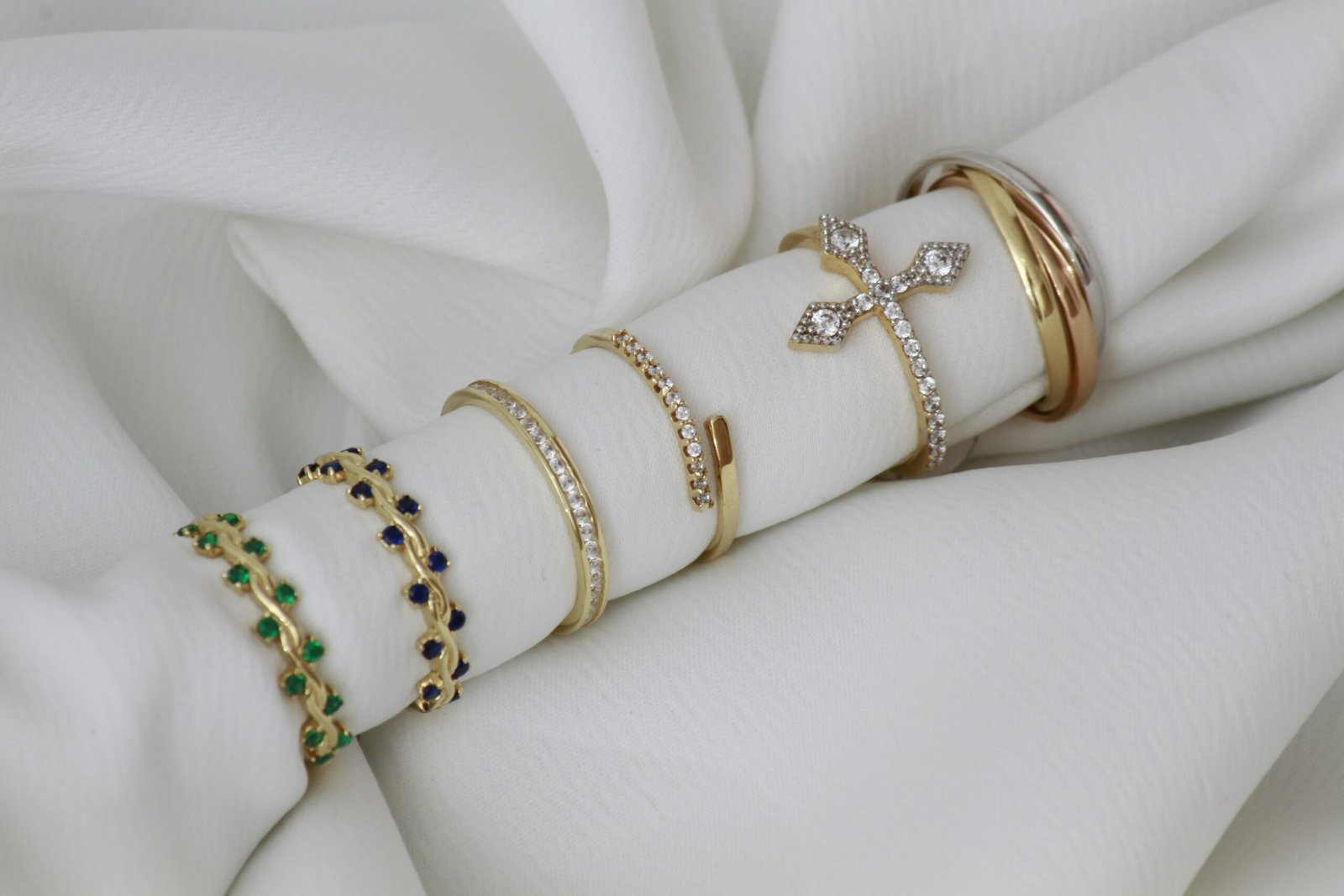

Let’s cut to the chase: ethical jewelry is absolutely worth your investment, both in terms of money and the time you spend researching. The upfront cost might be higher, but you’re paying for transparency, fair labor, and environmental responsibility – a price tag that reflects true value, not just pretty metal. You can build a collection you feel genuinely good about, knowing your sparkle isn’t tarnished by exploitation.
This is the million-dollar question, and frankly, it’s fair to be skeptical. The term “ethical” can be applied broadly, and some brands might use it as a superficial claim to tap into conscious consumerism without genuine commitment. The challenge lies in discerning true dedication from clever PR.
Many jewelers are now highlighting their sustainable practices, from using recycled metals to sourcing conflict-free gemstones. This is a positive shift, but it requires a discerning eye. We need to look beyond the glossy campaigns and dig into the substance of their claims.
This isn’t about shaming brands, but empowering you. By understanding what to look for, you can confidently identify the jewelers who are truly walking the walk.
What to Look for on the Label
- Recycled Materials: Look for mentions of recycled gold, silver, or platinum. This significantly reduces the environmental impact of mining.
- Fair Trade Certifications: While not universally available for all gemstones, certifications like Fairtrade Gold indicate that miners received a fair price for their labor.
- Conflict-Free Gemstones: Reputable jewelers will have a clear policy on sourcing gemstones, ensuring they are not funding conflict or human rights abuses.
- Traceability: The ability to trace the origin of both the metals and the gemstones is a strong indicator of ethical practice.
In the quest for ethical jewelry, understanding the nuances of sustainability is crucial, as highlighted in the article “Ethical Jewelry: How to Tell Real Sustainability From Marketing.” This piece delves into the complexities of distinguishing genuine sustainable practices from mere marketing tactics. For those interested in exploring the intersection of beauty and sustainability further, you might find the article on Chi’s legacy in the beauty industry, titled “40 Years of Heat: Chi Celebrates a Beauty Legacy in Ruby Red,” particularly enlightening. You can read it here: 40 Years of Heat: Chi Celebrates a Beauty Legacy in Ruby Red.
Decoding Gemstone Sourcing
The allure of a sparkling gemstone often overshadows the complex journey it takes from the earth to your jewelry box. For ethical jewelry, understanding gemstone sourcing is paramount. It’s where significant environmental and social impacts can occur.
Mining practices vary wildly. Some methods can devastate local ecosystems, pollute water sources, and exploit vulnerable communities. Conversely, responsible mining can provide employment and economic stability when managed ethically and with environmental stewardship.
Your research here directly impacts lives and landscapes.
Understanding Gemstone Origins
- Directly Mined vs. Trade: Knowing if a brand sources directly from mines or through a supply chain is crucial. Direct sourcing allows for greater oversight.
- Country of Origin: While not always definitive, understanding the gemstone’s country of origin can provide context. Some regions have stricter environmental and labor regulations than others.
- Recycled Gemstones: Just like metals, gemstones can be recycled. This is an increasingly popular and sustainable option, though less common for larger, rarer stones.
- Lab-Grown Gemstones: These offer a compelling ethical alternative, as they eliminate the environmental and social concerns associated with mining.
The Metal Matters: Recycling and Responsible Mining

When you consider the metal content of your jewelry, you’re looking at a significant part of its environmental footprint. Traditional mining is resource-intensive, often involving considerable land disruption, water usage, and potential for pollution.
The good news is that the jewelry industry has a robust and readily available alternative: recycled metals. Using metals that have already been extracted significantly reduces the demand for new mining, thereby minimizing its associated harms. This is a simple yet powerful way to make a more sustainable choice.
Why Recycled Metals are Key
- Reduced Environmental Impact: According to the World Gold Council, using recycled gold can reduce the energy demand by up to 95% compared to newly mined gold.
- Lower Carbon Footprint: Mining is an energy-intensive process. Recycling metals bypasses this, substantially lowering greenhouse gas emissions.
- Ethical Labor: Recycled metals sidestep the labor issues often associated with newly mined precious metals, particularly in regions with less stringent regulations.
- Circular Economy: Embracing recycled materials supports a circular economy, where resources are kept in use for as long as possible.
Responsible Mining Practices
When new mining is unavoidable, look for brands that partner with mines adhering to stringent environmental and social standards. This might include:
- Reclamation Plans: Mines that have clear plans for restoring the land after mining operations cease.
- Water Management: Responsible mines employ strategies to minimize water usage and prevent contamination of local water sources.
- Community Engagement: Ethical mining operations often work closely with local communities, ensuring fair compensation and safe working conditions.
- Certified Mines: While certifications are still evolving in this space, some mines pursue standards that verify their responsible practices.
Transparency: The Gold Standard of Ethical Jewelry

True ethical jewelry brands don’t shy away from sharing details about their supply chains. They understand that you want to know where your pieces come from and how they are made. This level of openness is a strong indicator of their commitment to ethical practices.
If a brand is vague about its sourcing, labor conditions, or environmental impact, it’s a red flag. You have the right to ask questions and expect clear, verifiable answers.
What Transparency Looks Like
- Detailed Sourcing Information: Brands should be able to tell you where their metals and gemstones originate.
- Information on Labor Practices: This includes details about factory conditions, wages, and worker safety.
- Environmental Policies: Clear explanations of how the brand minimizes its ecological footprint.
- Partnerships and Certifications: Information about any third-party certifications or ethical partnerships they maintain.
Asking the Right Questions
- “Can you tell me the origin of the gold in this ring?”
- “What steps do you take to ensure fair labor practices in your supply chain?”
- “Do you use recycled metals? If so, what percentage?”
- “How do you ensure your gemstones are ethically sourced and conflict-free?”
In the quest for ethical jewelry, it is essential to distinguish between genuine sustainability and mere marketing tactics. A related article that delves into the complexities of caring for loved ones while navigating ethical choices can be found here: caring for someone with COPD. This piece highlights the importance of making informed decisions in various aspects of life, including the jewelry we choose to wear, ensuring that our purchases align with our values and contribute positively to the world around us.
Comparing Ethical Jewelry Options
| Aspect | Metrics |
|---|---|
| Material Sourcing | Percentage of recycled or ethically sourced materials |
| Labor Practices | Percentage of jewelry made by artisans paid fair wages |
| Environmental Impact | Carbon footprint of production process |
| Transparency | Availability of information on supply chain and production process |
| Certifications | Recognition from ethical and sustainability organizations |
Navigating the ethical jewelry landscape can feel like a minefield of claims and counter-claims. To make an informed decision, it’s helpful to see how different approaches stack up against each other. This isn’t about finding a single “perfect” option, but understanding the trade-offs and making choices that align with your values.
The jewelry industry is complex, and ethical considerations span raw material sourcing, manufacturing processes, and the social impact on communities involved.
Ethical Jewelry: A Comparative Look
| Feature | Brand A (High Transparency) | Brand B (Moderate Transparency) | Brand C (Emerging Brand) | Brand D (Mainstream with Claims) |
| :– | :– | : | :– | :- |
| Metal Sourcing | 100% Recycled Gold | 75% Recycled, 25% Fairtrade Gold | Mostly Recycled Silver | Claims “responsibly sourced” |
| Gemstone Sourcing | Certified Canadian Diamonds, traceable colored stones | Primarily uses traceable gemstones, some uncertified | Focus on smaller, ethically mined local stones | Relies on standard industry suppliers |
| Labor Practices | Audited factories, living wages guaranteed | Works with suppliers with codes of conduct | Small, in-house production, direct oversight | General commitment to ethical production |
| Environmental Impact | Minimal water usage, carbon-neutral shipping | Efforts to reduce waste, uses eco-friendly packaging | Focus on local production, minimal transportation | Uses some recycled packaging |
| Price Point | $$$$ | $$$ | $$ | $$ |
| Certifications | Fairmined Gold, RJC Certified | None explicitly stated, but provides detailed sourcing | None yet | Assumed compliance with industry standards |
| Traceability | Full supply chain visible | Detailed information available for key components | Direct knowledge of production | Limited detailed information |
Key:
- Brand A: Prioritizes full transparency and traceable, certified ethical materials. Often comes with a premium price.
- Brand B: Demonstrates significant ethical commitments with good transparency, but may not cover every single component with explicit certification.
- Brand C: An emerging brand focusing on ethical principles, likely with direct oversight but fewer formal certifications.
- Brand D: A larger brand making ethical claims, but transparency can be more general, relying on broader industry standards.
The Femzen Verdict
Ethical jewelry is undeniably worth your money and time. The key is to move beyond superficial claims and seek out brands that demonstrate genuine commitment through transparency and verifiable practices.
You should:
- Prioritize brands with traceable supply chains. This is non-negotiable for truly ethical pieces.
- Look for recycled metals. This is the easiest and most impactful way to reduce environmental harm.
- Ask questions and demand answers. Don’t settle for vague statements.
- Consider lab-grown gemstones for an ethical alternative to mined stones.
- Support brands that are transparent about their labor practices.
This is for you if:
- You want your purchases to reflect your values and contribute positively to the world.
- You appreciate craftsmanship and are willing to invest in pieces that tell a story of integrity.
- You are tired of “greenwashing” and want to make informed, impactful choices.
If you’re concerned about skin sensitivities or potential reactions to metals, it’s always wise to consult with a dermatologist. They can offer personalized advice and help you identify safe materials for your skin.