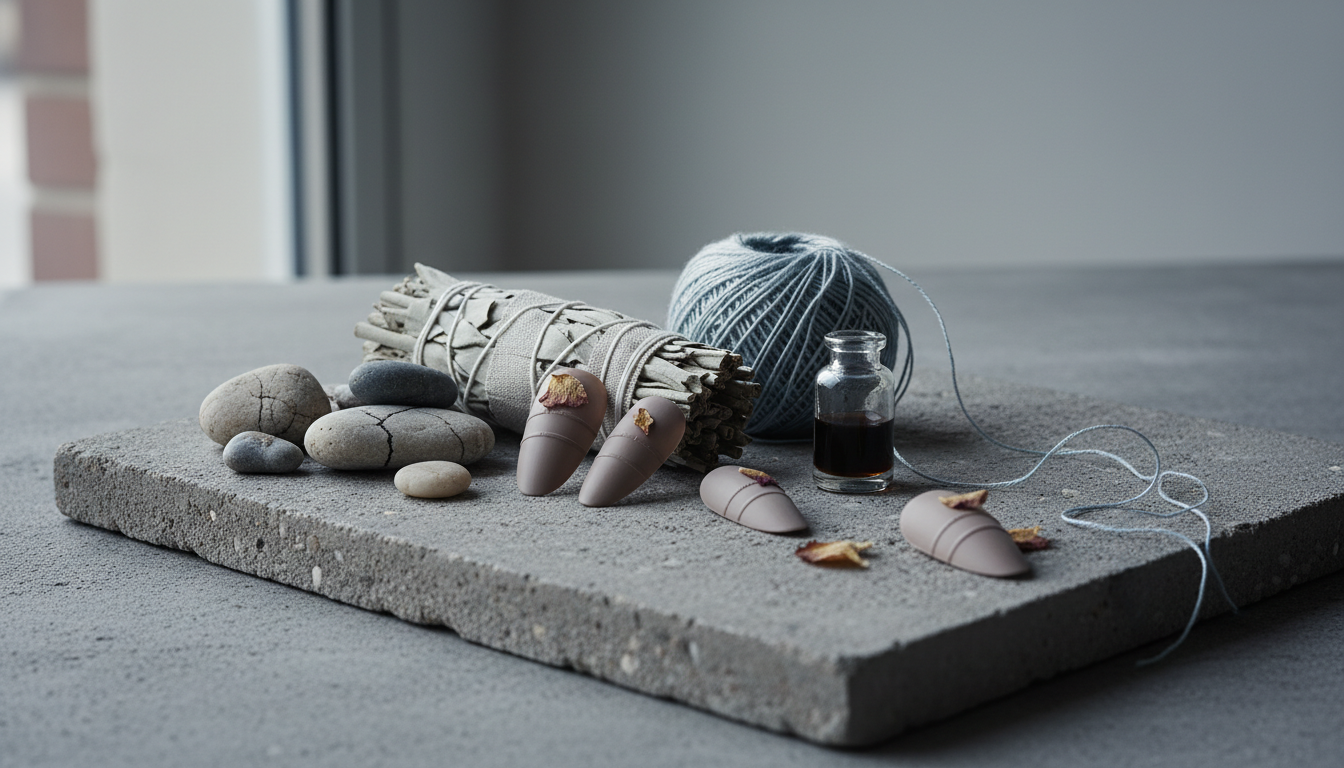
Stress tends to show up on the face first, but your nails are quietly tracking it too, often weeks before you notice anything in the mirror. Here's what stress actually does to the nail as it grows, how to read the signs, and what a manicure can and can't fix.
When people talk about stress and appearance, the conversation usually stops at skin. Breakouts, dullness, that tired look under the eyes. But nails are made of the same basic material as skin, and they grow slowly enough that they end up holding a kind of timeline. A rough patch three months ago can still be sitting there, inching toward the tip of your nail, long after the stressful week itself is over.
Why nails lag behind everything else
A fingernail takes months to grow from the base to the tip. That lag is actually useful information. If you notice a ridge, a dent, or a line crossing the nail plate, it didn’t happen today. It marks a moment when your body was under pressure, whether that was a cold, a poor stretch of sleep, a crash diet, or a genuinely hard emotional period. Nails don’t lie about timing the way memory does. They just grow forward, carrying the record with them.
This is why a sudden change in your nails is worth more attention than people usually give it. It’s not vanity to notice. It’s one of the few places on the body where stress leaves something you can actually measure.
What stressed nails tend to look like
There’s no single symptom, but a few patterns show up again and again in people going through a stretch of pressure, whether that’s work, sleep, or diet related.
- Horizontal ridges or grooves running across the nail, sometimes called Beau’s lines, which mark a pause in nail growth during a period of illness or strain.
- Nails that suddenly become more brittle, peeling in thin layers at the tip when they didn’t before.
- Increased hangnails and picking at the cuticle, which is often less about the nail itself and more about a nervous habit that stress makes worse.
- Slower growth overall, since the body deprioritizes nail and hair growth when it’s dealing with something it considers more urgent.
- Changes in color or texture that track with diet, since nails depend on steady nutrition to build strong keratin.
None of these are dramatic on their own. The pattern is what matters. One ridge is nothing. A nail that keeps changing shape every few weeks is your body telling you something is unsettled.
What a manicure can do, and what it can’t
A good manicure is genuinely useful here, just not as a fix. Shaping, buffing, and a base coat protect a weakened nail from catching and tearing further while it grows out. Cuticle oil, used daily rather than occasionally, keeps the surrounding skin flexible so you’re less likely to pick at it when you’re anxious. These are real, physical supports.
What polish and treatments can’t do is change what’s happening underneath. If the nail plate itself is ridged or thin, that was decided at the base of the nail weeks ago. No topcoat reaches back in time. The honest approach is to treat the surface gently while addressing the three things that actually shape nail health day to day: sleep, what you eat, and how much tension you’re carrying in your hands and jaw without noticing.
The habits that help more than any product
Protein and iron intake matter more to nails than most skincare routines, since keratin is built from amino acids you have to actually consume. Dehydration shows up as dryness around the nail bed before it shows up anywhere else on the hand. And a lot of nail damage people blame on “weak nails” is really repetitive picking or biting that ramps up under stress without the person clocking it as a habit at all.
Keeping hands moisturized, trimming instead of tearing, and noticing when you’re worrying at a hangnail during a tense phone call are small things, but they’re the ones that actually interrupt the cycle.
Nails won’t tell you exactly what’s stressing you out, but they’ll tell you that something has, and roughly when. Pay attention to the ridge before you reach for the polish. The polish can wait. The information in the nail can’t be bought back once it’s grown out.